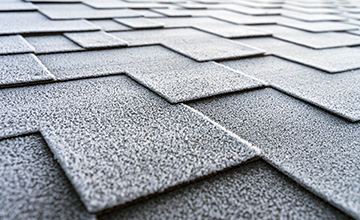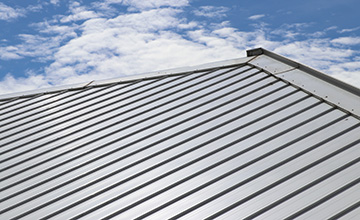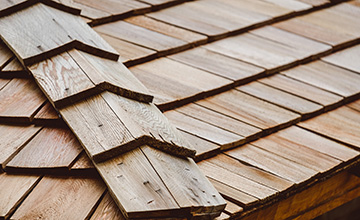
You're ready to replace your roof. You've chosen a contractor. You've picked the material. You're ready to schedule.
Then the contractor mentions permits. Building codes. Inspections. And suddenly the project feels more complicated.
This is where many homeowners get confused. Roofing isn't just a residential service. It's regulated work with specific codes, permits, and licensing requirements.
Understanding these requirements protects you. It ensures work is done correctly. It maintains your home's insurance coverage. It keeps you compliant with Virginia law.
Here's what every Hampton Roads homeowner should know about roofing codes and permits.
Virginia and Virginia Beach Roofing Codes
Roofing in Virginia falls under the Virginia Building Code, which adopted the International Building Code standards. Hampton Roads cities (Virginia Beach, Chesapeake, Norfolk, Suffolk, etc.) typically follow these state standards with local amendments.
Key requirements:
Material standards: Roofing materials must meet fire and wind resistance ratings. Different materials have different requirements. Asphalt shingles require specific wind ratings. Metal roofing must meet impact resistance standards.
Installation standards: Roofing must be installed per manufacturer specifications. Nail placement, spacing, and fastener type are regulated. Flashing must be installed correctly. Ventilation requirements are specified.
Structural requirements: The roof structure must support snow loads and wind loads specific to Virginia. Hampton Roads is in a moderate wind zone, but hurricane-resistant installation is recommended.
Fire ratings: Roofing materials must achieve fire ratings. Class A fire ratings are standard. In Virginia, some materials must meet specific standards to prevent spread of flame.
Permits and inspections: Most roof replacements require permits. Inspectors verify work meets code.
These codes exist for safety. A roof that's installed correctly lasts longer, handles storms better, and protects your home.
Do You Need a Roofing Permit in Virginia Beach?
Short answer: Yes, in most cases.
Virginia Beach and other Hampton Roads jurisdictions require permits for roof replacement. Permits are also required if you're re-roofing (replacing shingles on an existing roof deck).
Exceptions exist for minor repairs (a few shingles here and there), but replacement work requires permits.
A permit requires submission of plans or specifications showing the roofing material, installation method, and structural details. An inspector then verifies the work during and after installation.
Your contractor should handle permit applications. This is standard practice. If a contractor says "permits aren't necessary," that's a red flag.
Contractor Licensing in Virginia
This is where homeowners sometimes get confused. Virginia doesn't require a specific "roofing license." There's no Virginia roofing contractor license.
Instead, Virginia uses a broader contractor licensing system.
Virginia Class A Contractor License: This license covers general construction, including roofing. A Class A licensed contractor can perform roofing work.
Virginia Class B Contractor License: This covers lower-value projects (under $10,000).
No license (for small jobs): In Virginia, homeowners can hire unlicensed workers for jobs under $10,000 if the homeowner is present.
However, most roof replacements exceed $10,000, so a licensed contractor is required.
SB Roofing holds a Virginia Class A Contractor License (License # 2705106111). This means we've met state requirements for bonding, insurance, and experience.
When hiring a roofing contractor, verify their license. Virginia allows you to check licenses at the Virginia Construction Industries Board website. A licensed contractor has accountability and bonding protection.
What About Insurance?
Your homeowner's insurance typically covers roof replacement in specific scenarios: storm damage, accidental damage, sometimes age-related failure.
Insurance does not cover wear and tear from normal aging.
Here's where code compliance matters: If your roof fails because it wasn't installed to code, your insurance claim could be denied.
Insurance also requires proper permits and inspections. If work was done without permits, your claim might be questioned.Licensed, permitted roofing work protects your insurance coverage.
The Permit Process in Virginia Beach
Here's what to expect:
Permit application: Your contractor submits plans/specifications to the city. This includes roofing material, estimated cost, and homeowner information.
Plan review: City staff reviews the application to ensure code compliance.
Permit issuance: Once approved, a permit is issued. Your contractor receives a permit card or number.
Work begins: Roofing commences. Contractor displays the permit at the site.
Inspection: The building official (or inspector) visits during or after installation to verify code compliance. Flashing, ventilation, fastening, and structural work are checked.
Approval: If inspection passes, the permit is closed and the project is officially complete.
Costs typically run $50-$300 depending on project size. Your contractor pays this; it's part of their cost to do business properly.
Timeline usually takes 1-2 weeks for approval, depending on application complexity and city workload.
Hurricane-Resistant Roofing Standards
Hampton Roads gets hurricane attention. While building codes meet minimum standards, additional hurricane-resistant measures are common.
These include:
Wind-rated fasteners: Specially designed fasteners that resist pulling out during high winds.
Engineered roof deck: Reinforced plywood or other decking rated for specific wind speeds.
Hurricane straps: Metal connectors that tie the roof structure to the frame, preventing the roof from separating during extreme wind.
Enhanced flashing: Specially designed flashing that withstands high-wind water infiltration.
These upgrades aren't required by code but are recommended, especially in Virginia Beach and near water.
A roofing contractor experienced in Hampton Roads building standards will recommend appropriate measures.
Common Code Violations and Why They Matter
Improper fastener spacing: Fasteners too far apart can allow shingles to lift in wind. They must be placed per manufacturer specifications, typically 4-6 inches on center.
Flashing gaps: Gaps in flashing allow water infiltration. This is the most common cause of roof leaks. Code specifies flashing overlap and fastening.
Blocked vents: Insulation or debris covering soffit or ridge vents violates ventilation code. This causes attic heat and moisture problems.
Inadequate underlayment: Underlayment protects the roof deck while new shingles are being installed. It also provides a backup water barrier. Skipping underlayment violates code and voids warranties.
Wrong nailing pattern: Fasteners must go through the manufacturer-specified nailing strip. Improper nail placement allows shingles to blow off in wind.
These violations seem minor but they cause failures. Water leaks. Wind damage. Warranty voidance. Insurance claim denials.
Code-compliant installation prevents these problems.
Choosing a Contractor Who Knows Virginia Code
When hiring a roofing contractor:
Verify licensing. Ask for their Virginia Class A license number. Check it at the Virginia Construction Industries Board website.
Ask about permits. A contractor who handles permits is following code. They'll explain the process.
Request references. Ask for previous customers in Virginia Beach or Hampton Roads. Homeowners who had permitted work done will confirm the contractor's professionalism.
Verify insurance and bonding. Licensed contractors carry liability insurance and surety bonds. Ask to see certificates.
Get it in writing. The contract should specify materials, installation method, timeline, and that work will meet Virginia code.
A contractor who understands and follows Virginia roofing codes is one who does quality work.
FAQ: Virginia Roofing Codes and Permits
Q: Can I do roof work myself to avoid permits?
A: Technically, you can do some minor work yourself. But roof replacement is complicated and dangerous. Falls cause serious injury. Code violations cause leaks. Leave it to professionals.
Q: If I hire an unlicensed contractor, will permits be required?
A: Yes. Your city requires permits regardless of contractor licensing. Hiring an unlicensed contractor still requires permits. You're not avoiding anything by using unlicensed help.
Q: What if I don't get a permit?
A: You risk insurance claim denial if problems occur. You could face fines from the city. You might have difficulty selling your home if un-permitted work is discovered in a home inspection.
Q: How do I verify a contractor's license?
A: Visit the Virginia Construction Industries Board website (www.gcb.virginia.gov). You can search for a contractor's license status and history.
Q: Do roofing permits cover all work?
A: Permits cover the main roofing installation. If structural work is needed (replacing roof deck, installing reinforcement), that might require additional permits or inspections.
Protect Yourself with Code-Compliant Roofing
Virginia's building codes exist for safety and durability. Compliance protects your home, maintains insurance coverage, and ensures your roof lasts.
Choosing a licensed, permitted contractor ensures code-compliant work.
It's not about jumping through hoops. It's about doing the job right.
ABOUT SB ROOFING
Commercial and Residential Class A Contractor
Here at SB Roofing, we are dedicated to providing quality products, craftsmanship, and service. But, more importantly, we want to assure that you are completely satisfied with the job we do for you.
We are experienced providers of the industry's most secure residential roofing solutions, providing Hampton Roads homeowners with over 25 years experience. From immediate roofing estimates to quick service to final clean-up, we have built our reputation on protecting your most important investment - your home!
We pay special attention to detail by having continuous job supervision and highly qualified installers on every job. Also, SB Roofing maintains discreet relationships with roofing manufacturers and distributors, allowing us to provide you with the best prices, availability and selection at all times. And our work is backed by a full warranty that covers labor & materials.